Flora in Pench Park
Pench National Park is one of the richest and most beautiful established parks with green forests that house and mesmerize a lot of visitors. This park is home to such mythical creatures as the red pandas as well as several wild cat breeds and many others which are both interesting and unique. As if this is not enough, the vegetation around the park is magical also, as one can see. The prominent ones are the Mahua Tree, Palash, Teak, Neem, Fruit Trees, Sal Trees, Shrubs, and many others. The more you get lost in these lovely sights, you can easily find something awesomely extraordinary.
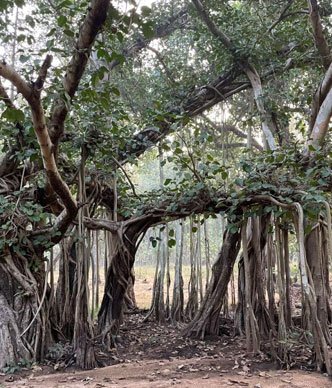
The main flora found in Pench includes trees like Teak, Laser, Sal, Haldu, Bija, Amarbel, Banyan, and Asna; shrubs such as Lion’s Tail and Palas; and creepers like Lendia.
Types of Flora in Pench
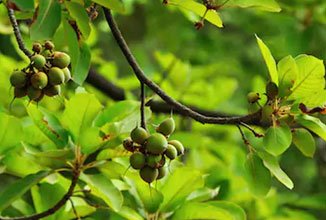
1. Mahua Tree : Famous for its flowers it has sweet and edible honey-like nectar that forms the basis for that traditional drinks and sweets. From its seeds, one can get oil which is used both in preparing foods and in treating illnesses. The tree has the added value for the tribal people in their food habits and other ailments treatments. The described Mahua tree is one of the most eye-catching and valuable assets of the park due to its density of the crown and bright color.
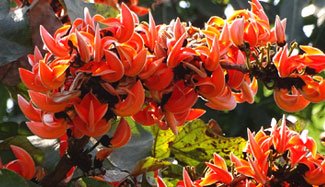
2. Palash Tree : Flame of the Forest or Palash starts blooming from March to April with large contrasting orange-red flowers. they are used in the traditional scripts of festive events and for preparing natural dyes as well. The tree’s leaves, bark, and flower parts are medicinal and therefore play an important role in curing diseases in herbal medicine. Other than the aesthetic value, the Palash tree’s flowers are a source of nectar for birds and insects which adds to the park’s biodiversity.
3. Teak Tree : It has been established that teak trees produce valuable timber that is highly favored for the production of furniture, among other uses. Here, in Pench National Park these trees are part of the dominant vegetation architecture of the forest. The huge, tough, and green foliage helps to offer shades, and their size, as well as height, contributes to the majestic image of the park. Teak trees also form a source of food for the different animals in the region and provide shelter to some of these animals.
4. Neem Tree : The Neem tree is one tree I have associated with the name Wonder Tree because of its uses in our daily lives. Depending on the species, the leaves, the bark, and or seeds are used for illness treatment as well as being part of natural insect pest control. A common tree species in Pench National Park is Neem trees which have the role of controlling pests and thus assist in the sustenance of the forest. Due to many branches, they offer a good cover therefore many animals and people use them for protection from the scorching sun.
5. Fruit Trees : They grow fruit plants such as mango, jamun, and amla within the premises of the park. It must also be noted that aside from bearing fruits that are packed with nutrition, these trees are also important to the environment. They provide food for birds, animals, and man while enhancing the park’s aquatic resources. Economic fruits make the forest even more beautiful, attractive, and nice smelling adding to the beauty of the whole forest.
6. Sal Tree : Sal trees are also found growing on large extents of Pench National Park due to their strong and lengthy trunks and comparatively thicker foliage. They are appreciated mostly for their timber, which is used in the construction and manufacture of domestic utensils and furniture. The leaves of the Sal tree are also used for preparing traditional dishes plates and bowls.
7. Shrubs : These are the small to medium plants that are sub-grown on the forest floor of the Pench National Park: These plants enhance multiplicity in the number of plants and play an important role in the Park’s flora. They also beautify the forest in a way, meaning some have flowers and berries in them which help attract birds and other forest creatures.